
ABOUT ULURU GUIDE
Your Uluru Local Specialist: 26 Years in the Red Centre
Truly understanding the heart of Australia takes more than a weekend visit—it takes a lifetime of listening. My journey with Uluṟu and the Red Centre began over 26 years ago, and since then, I have had the immense privilege of working, living, and learning within this ancient landscape. From the dusty tracks of the APY lands to delivering the Mala Walk in the National Park, this site is a reflection of a quarter-century of passion for the desert, its people, and its stories.
The story of Uluru Guide:
I’ve seen this place change, grow, and thrive. I’ve been lucky enough to go far off the beaten track to learn from the best teachers—the Traditional Owners themselves. I created this guide to bridge the gap between a standard ‘tourist’ visit and a meaningful, respectful connection to the Red Centre.
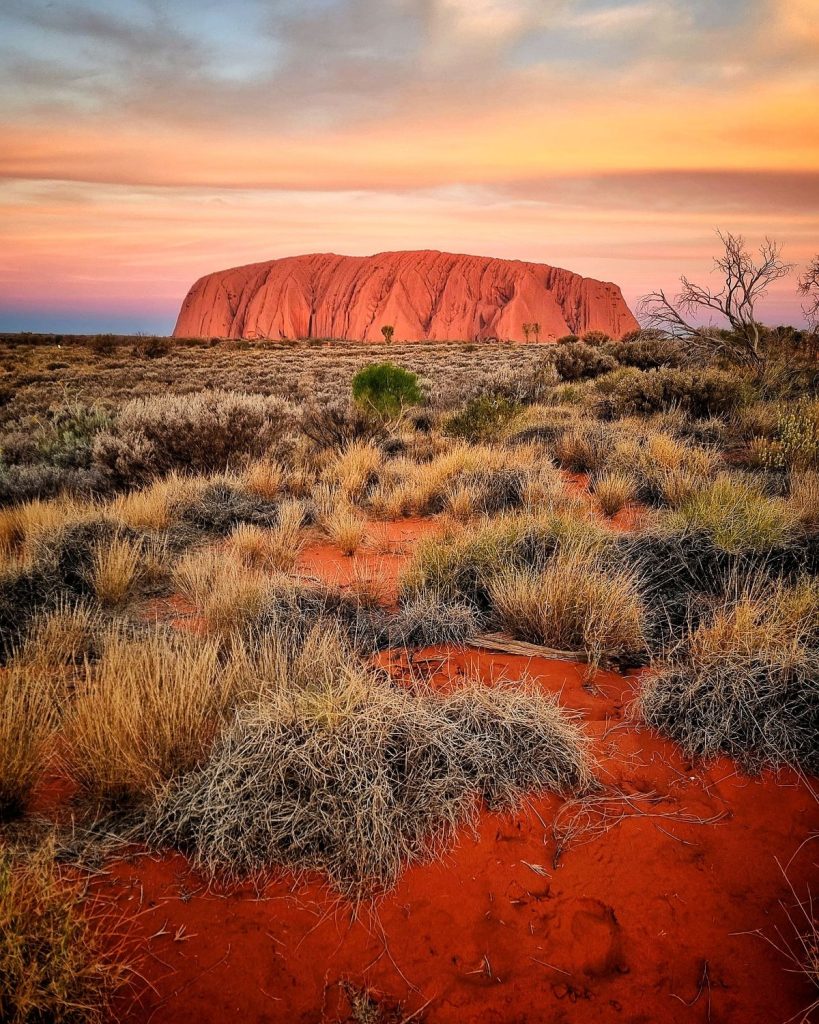
A Journey Through the Red Centre: My Experience
Cultural Immersion
Years spent working with Aṉangu Tours and Desert Tracks, delivering authentic dot painting workshops and facilitating 10-day camping journeys deep into the APY Lands.
The Guided Paths
The privilege of leading the iconic Mala, Kuniya, and Liru walks alongside senior Aṉangu guides. These daily journeys weren’t just tours—they were opportunities to interpret the Tjukurpa (law and stories) of the ancestral Mala (rufous hare-wallaby) and the Kuniya (python) under the direct guidance of the Traditional Owners.
Tourism Industry Insight
Working across the spectrum of the tourism industry, from major operators like AAT Kings to smaller tour companies delivering school excursions and multi-day camping tours.
National Park Ranger
Many years serving as a Ranger and Visitor Information Officer within the Uluṟu-Kata Tjuṯa National Park, helping guests navigate the land safely and respectfully.
Language & Connection
A dedicated student of the Pitjantjatjara language, learned through years of working alongside Aṉangu and “the old people” to understand the Tjukurpa (law/stories) that govern this land.
ULURU GUIDE
Let a Red Centre Expert Guide Your Journey
Whether you are looking for the best Uluru tours, trying to understand the complex geology of the Rock, or simply looking for a quiet place to stay, I’ve curated this site to share the ‘insider’ knowledge that only 26 years on the ground can provide. Welcome to the Red Centre—I can’t wait for you to experience it.
A Quarter-Century of Living History
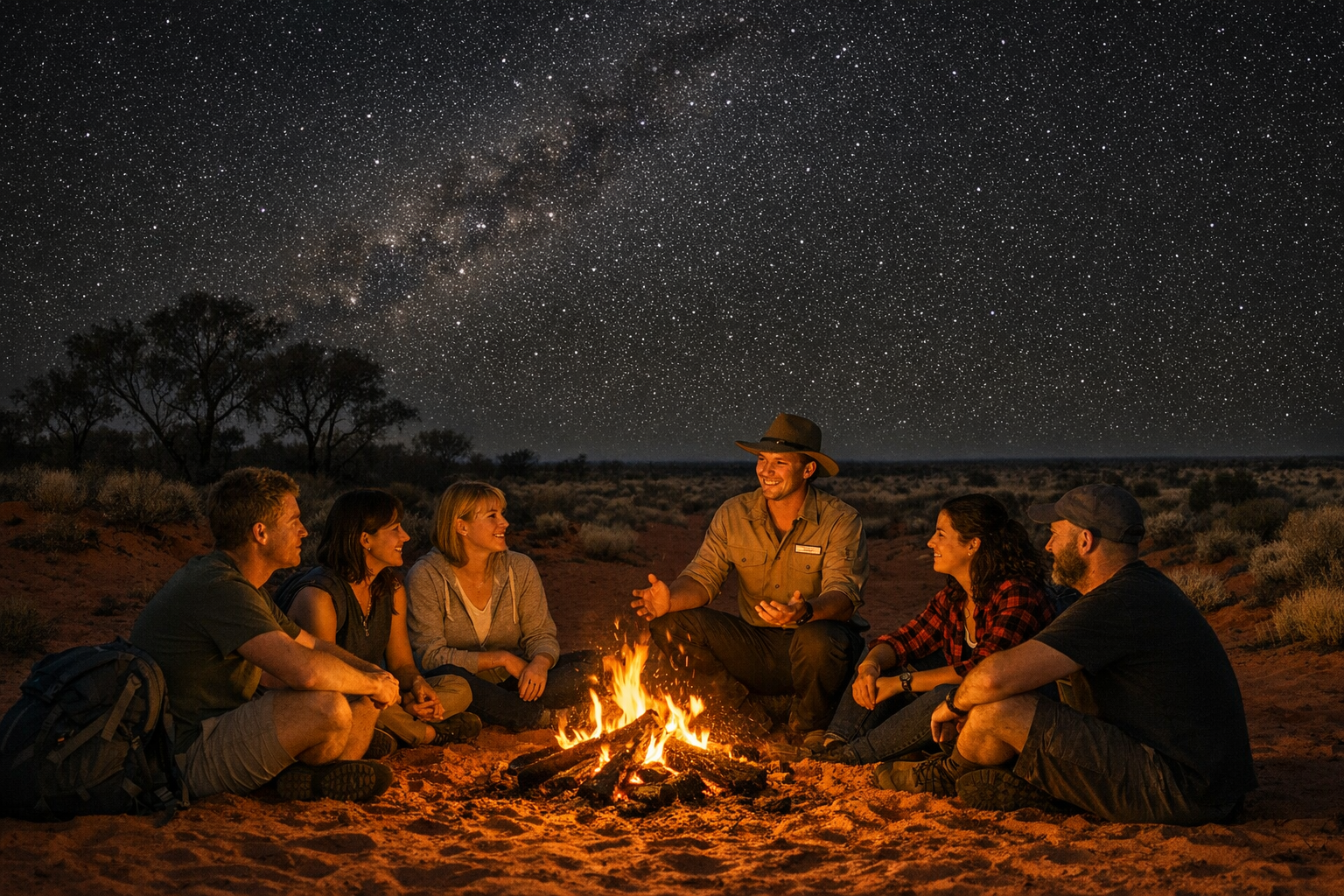
My connection to the Red Centre isn’t measured in tourist seasons, but in the shifting colours of the desert oaks and the stories shared over campfire embers. For over 26 years, I have had the profound privilege of working at the intersection of ancient culture and modern tourism. This journey began in the late 90s, a time when the “Handback” was still a fresh memory and the industry was beginning to truly listen to the Aṉangu voice.
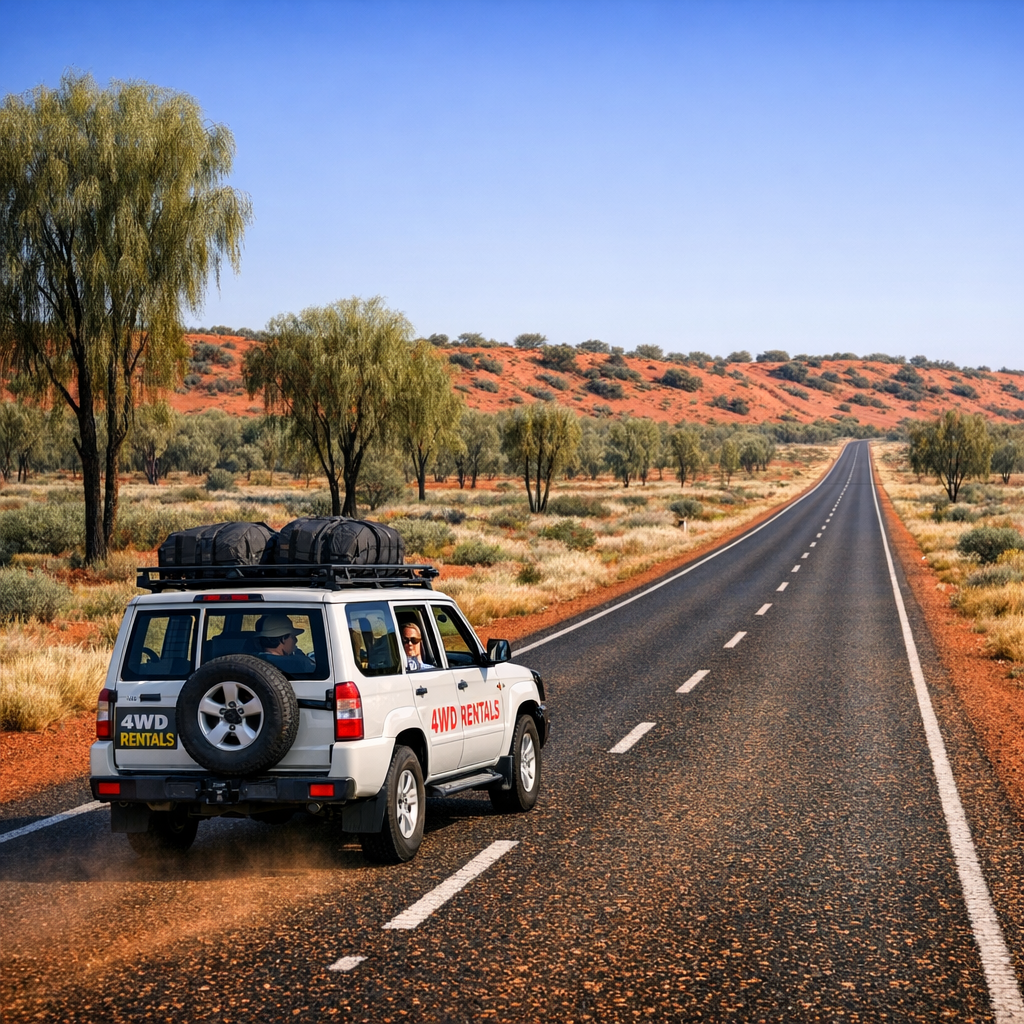
Working alongside Aṉangu Tours and Desert Tracks, I didn’t just “lead” groups; I was a student of the land. Facilitating 10-day cultural immersion trips into the APY Lands (Aṉangu Pitjantjatjara Yankunytjatjara) taught me the value of “desert time”—a pace of life dictated by the sun, the wind, and the Tjukurpa. These journeys were transformative, involving complex logistics across remote tracks where self-reliance was the only option and the “old people” were our compass.
Walking the Ancestral Paths
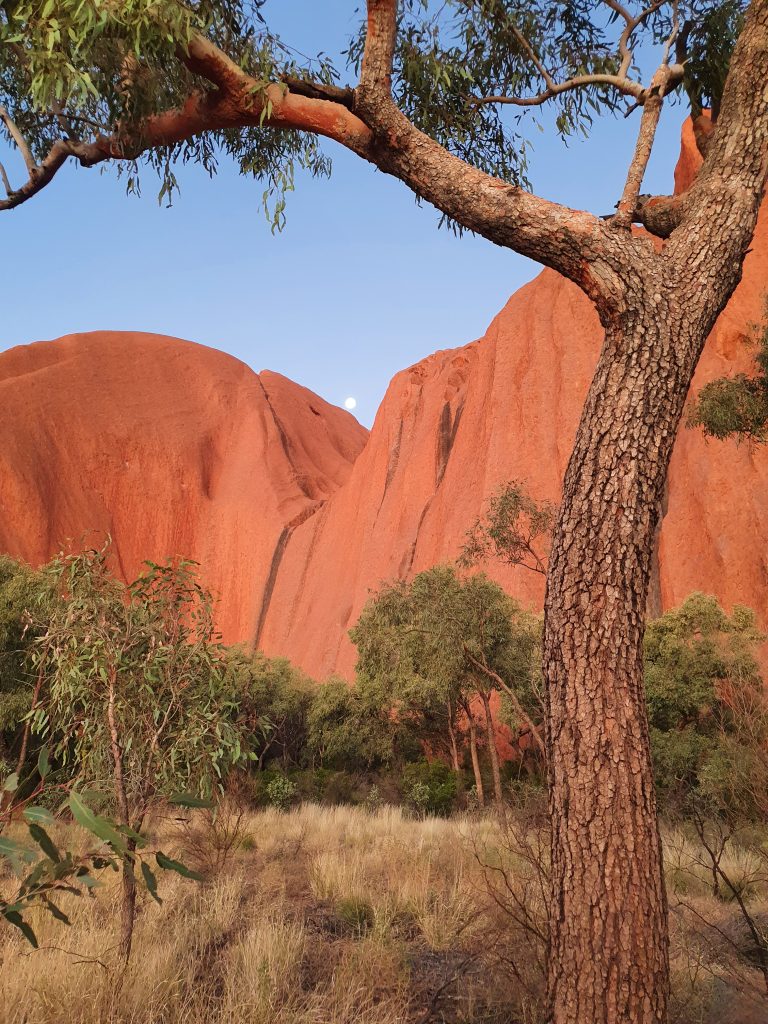
In the shadow of the monolith, my days were spent delivering the iconic Mala, Kuniya, and Liru walks. Walking these tracks alongside senior Aṉangu guides provided a perspective that no textbook could offer. Whether we were interpreting the epic battle between Kuniya (the python) and Liru (the venomous snake) at Mutitjulu Waterhole, or sharing the ancestral travels of the Mala (rufous hare-wallaby) people, every step was guided by the Traditional Owners.
Leading dot painting workshops further deepened this connection. It wasn’t just about the art; it was about the storytelling—explaining the symbolism of the tracks and the interconnectedness of all things in the desert. My time as a National Park Ranger and in Visitor Information roles added a layer of environmental stewardship to this cultural foundation, allowing me to understand the delicate balance required to protect this World Heritage-listed landscape while welcoming the world to its heart.
The Power of Language
Perhaps the most rewarding challenge has been the study of the Pitjantjatjara language. To speak even a little of the local language is to show a level of respect that opens doors and hearts. It allows for a more authentic translation of the landscape—understanding that a “rock” is never just a rock, but a living part of a spiritual narrative. Today, I use this lifetime of “sitting and listening” to ensure this guide serves as a bridge, helping you move past the surface and experience the true, breathing soul of Uluṟu.