
PLAN YOUR ADVENTURE
The Best Time to Visit Uluru: A Complete Seasonal Guide
Uluru is a land of dramatic extremes. One month you’re shivering in a puffer jacket at sunrise, and the next, you’re seeking shade from 40°C heat. Choosing when to visit depends on whether you’re chasing mild hiking weather, the rare sight of desert rain, or the vibrant bloom of wildflowers. Here is everything you need to know about the climate in Australia’s Red Centre.
WEATHER AND WHEN TO VISIT: AT A GLANCE
Uluru Seasons: Choosing Your Perfect Window
Finding the right time to visit depends on what you want to experience in the Red Centre. Whether you are here for the rugged trails or the perfect sunset shot, here is how the seasons stack up for your priorities.
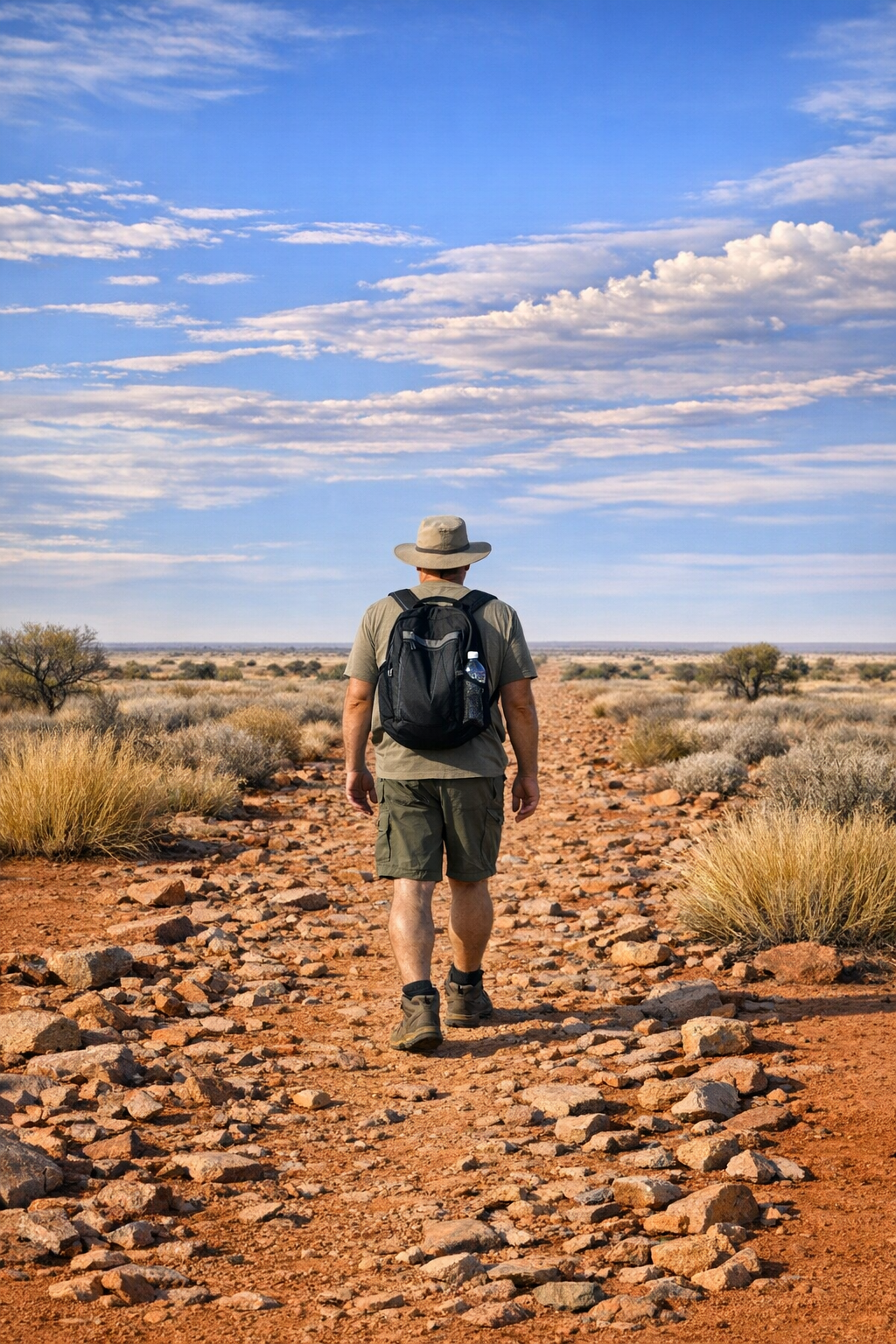
1. Best for Hiking & Walking
The cooler months offer the most stable conditions for exploring the base walk and Kata Tjuta’s more strenuous tracks. With daytime temperatures averaging a comfortable 20°C to 25°C, you can spend the entire day on your feet without the risk of heat-related trail closures.
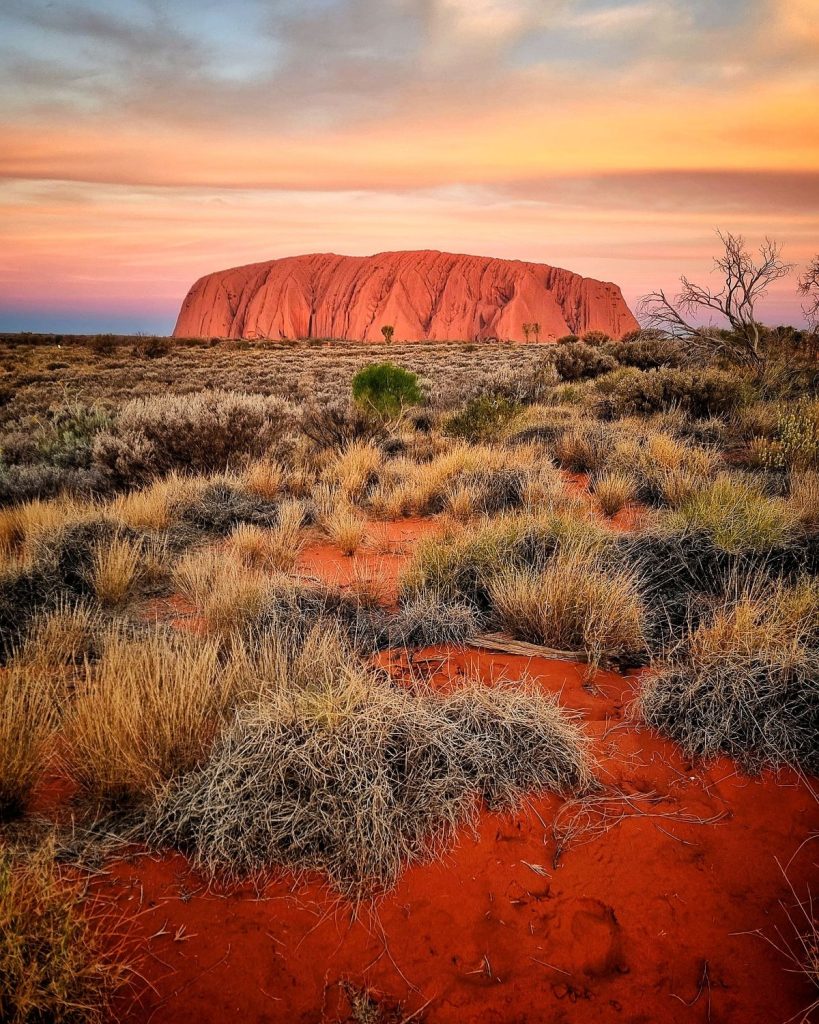
2. Best for Photography & Nature
This is the “sweet spot” where the harsh summer heat hasn’t yet arrived, but the desert floor begins to explode with seasonal wildflowers. The light is exceptionally soft during these months, providing that iconic deep red glow on the rock without the hazy dust of the late summer.
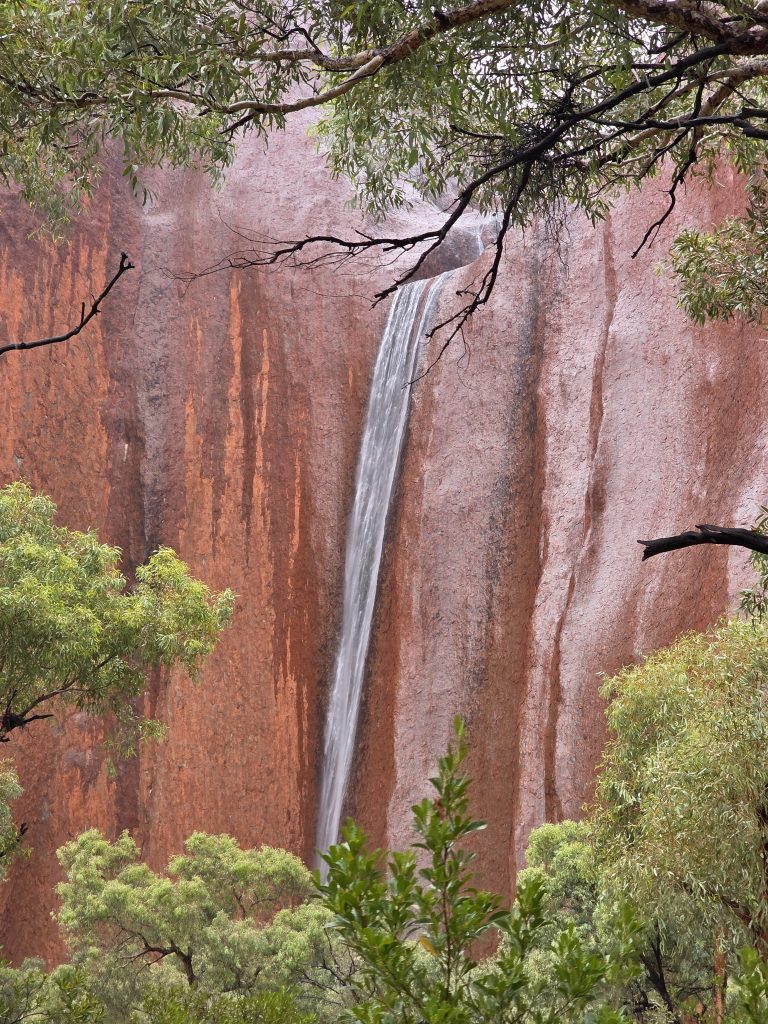
3. Best for “Rain Waterfalls”
While rain is rare in the desert, this window offers the highest statistical chance of witnessing the spectacular sight of waterfalls cascading off the Uluru monolith. If you don’t mind the humidity and heat, the dramatic storm clouds provide some of the most moody and unique backdrops you’ll ever see.
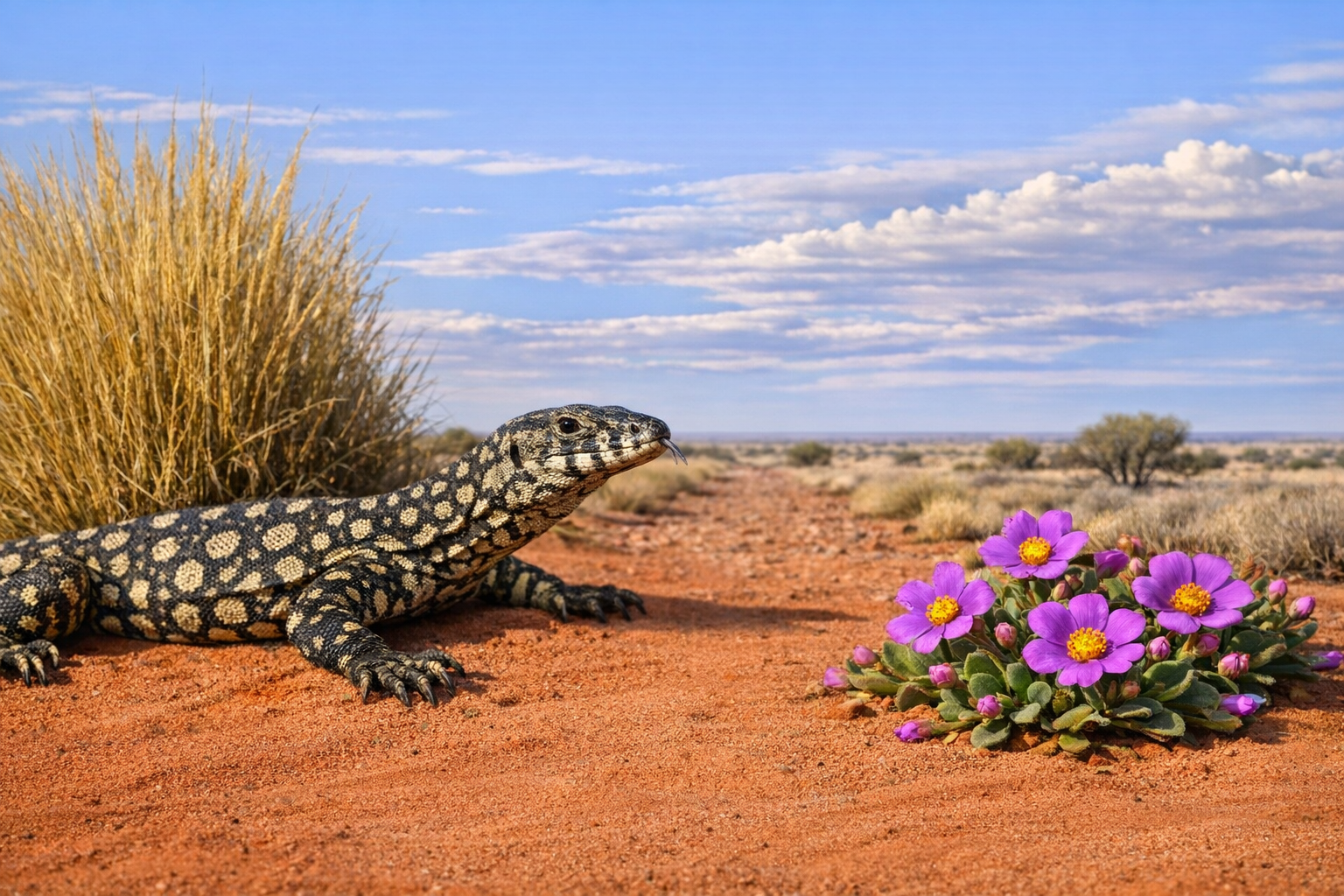
4. The “Avoid” List
For those who are sensitive to extreme temperatures, these months can be physically demanding as the mercury regularly climbs above 40°C. Additionally, the peak of the fly season occurs during this time, which can make long outdoor walks a frustrating experience for the unprepared.
The Five Aṉangu Seasons
Long before modern calendars, the Aṉangu people tracked the subtle shifts in wind, animal behaviour, and plant life. Understanding these five seasons provides a deeper connection to the spiritual landscape of the Red Centre.
Wanitjunkupai (April–May)
Cooler weather begins. Clouds linger but rarely rain.
Wari (Late May–July)
The cold season. Expect morning frosts (nyinnga) and crisp, clear days.
Piriyakutu (August–September)
Animals breed and wildflowers bloom. The warm “Piriya” wind arrives from the north.
Mai Wiyaringkupai (October–December)
The “hot” season. Storm clouds gather but rarely break.
Itjanu (January–March)
The “wet” season. Puffy clouds bring unpredictable, dramatic storms and waterfalls.
Uluru Weather by Month (Averages & Rainfall)
While averages give you a great baseline for packing, the desert is famous for breaking its own rules. From freezing winter nights to scorching summer peaks, these statistics highlight the extreme environment of the Uluṟu-Kata Tjuṯa National Park.
- Hottest Day Ever Recorded: 47.1°C (December 24, 2019).
- Coldest Night Ever Recorded: -3.6°C (July 14, 2002).
- Most Consecutive Days Above 40°C: The region famously endured a record-breaking stretch in the summer of 2018/19; on average, the park sees about 43 days per year where the mercury tops 40 degrees.
- Wettest Year on Record: 2001, which saw a staggering 825.4mm of rain—nearly triple the annual average.
- Wettest Day on Record: 202.2mm fell in a single 24-hour period during March 2001, turning the desert into a temporary inland sea.
- Average Annual Rainfall: Roughly 290mm to 310mm, though in a drought year like 1965, it can drop as low as 82mm.
- Driest Year on Record: 2019 saw a brutal “Big Dry.” According to the Bureau of Meteorology, Yulara Airport recorded its lowest annual rainfall with a tiny 27.0mm.
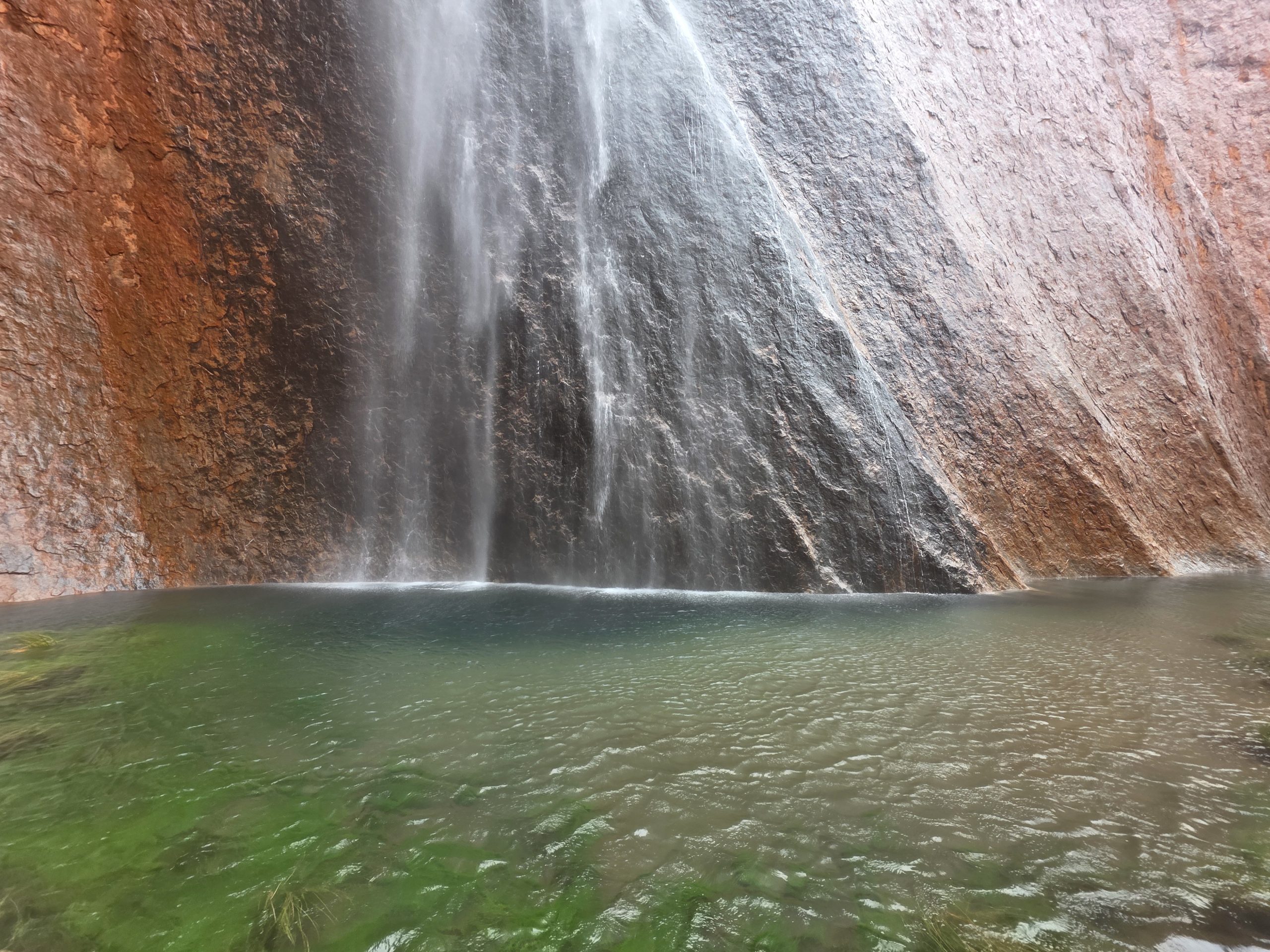
Table of monthly average temperatures and rainfall for Uluru-Kata Tjuta National Park.
|
Month
|
Mean Max (°C)
|
Mean Min (°C)
|
MEAN RAINFALL (mm) |
What to Expect |
|---|---|---|---|---|
|
January |
38.6°C |
23.1°C |
28.7 |
Peak summer heat and flies; best for seeing “waterfalls” during storms. |
|
February |
37.2°C |
22.2°C |
34.6 |
High humidity and hot nights; dramatic afternoon lightning displays are common. |
|
March |
34.8°C |
19.7°C |
30.4 |
The heat begins to soften; great for photography as the dust settles. |
|
April |
30.0°C |
14.6°C |
14.1 |
Perfect “shoulder” season; mild days and the start of crisp, clear nights. |
|
May |
24.3°C |
9.3°C |
13.1 |
Ideal hiking weather; daytime temperatures are perfect for the full Base Walk. |
|
June |
20.4°C |
5.6°C |
18.6 |
Winter arrives; spectacular star-gazing but you’ll need a heavy puffer jacket. |
|
July |
20.8°C |
4.5°C |
15.0 |
The coldest month; stunning “bluebird” days with deep red rock contrast. |
|
August |
23.9°C |
6.1°C |
4.7 |
Winds pick up and wildflowers begin to bud; excellent for morning treks. |
|
September |
28.9°C |
10.8°C |
9.4 |
Spring peak; the desert floor is at its most colourful with blooming flora. |
|
October |
32.7°C |
15.3°C |
22.0 |
Warmth returns and flies reappear; be sure to start your walks by 6:00 am. |
|
November |
35.0°C |
18.6°C |
33.9 |
Intense UV levels; perfect for resort poolside lounging after a sunrise tour. |
|
December |
36.8°C |
21.1°C |
40.3 |
The “Longest Days”; incredible sunset duration but extreme midday heat. |
Dealing with the Elements: Heat, Rain, and Flies
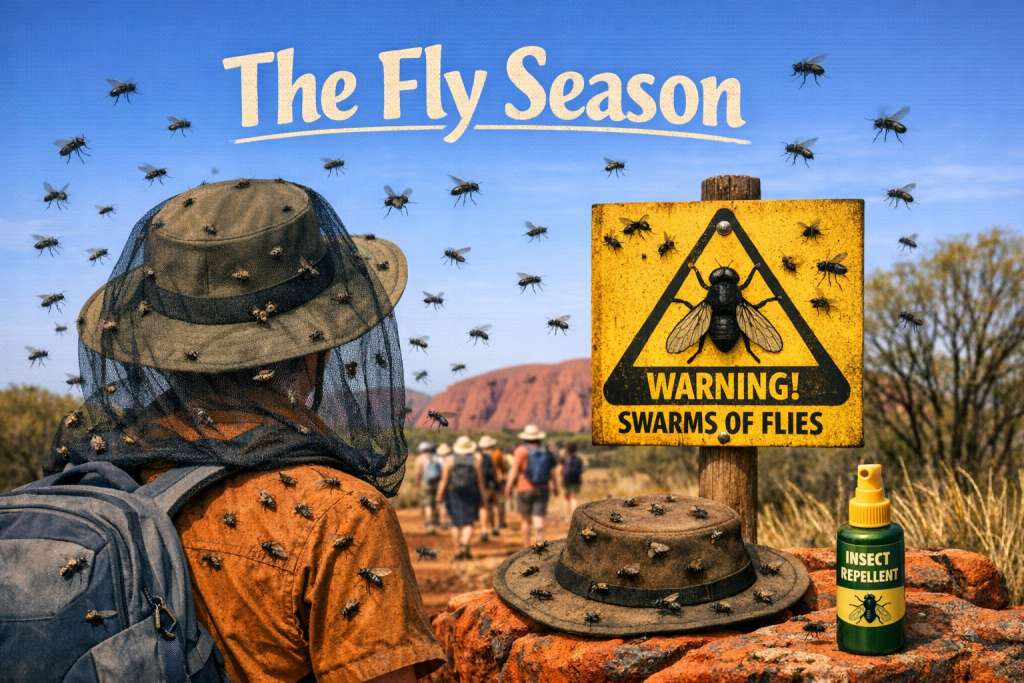
The Fly Season
If you visit between September and April, you will meet the infamous bush fly. They aren’t harmful, but they are persistent.
- The Solution: Buy a head net. You might feel silly for five minutes, but you’ll be the most comfortable person on the trail.
- Pro Tip: Flies are less active in the early morning and disappear once the sun sets.
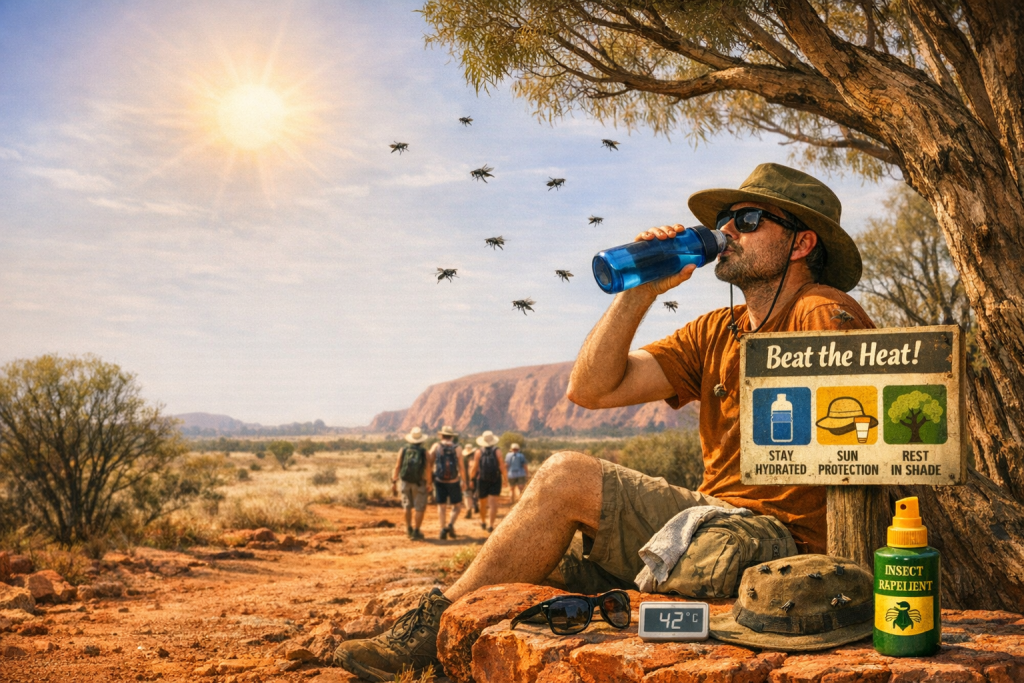
Staying Safe in the Heat
During the summer months, the temperature can soar above 40°C.
- Track Closures: Many walks (like the Valley of the Winds) close at 11:00 am if the forecast is 36°C or higher.
- Hydration: The National Park recommends 1 litre of water per hour. Don’t rely on “feeling” thirsty—the dry air evaporates sweat instantly.
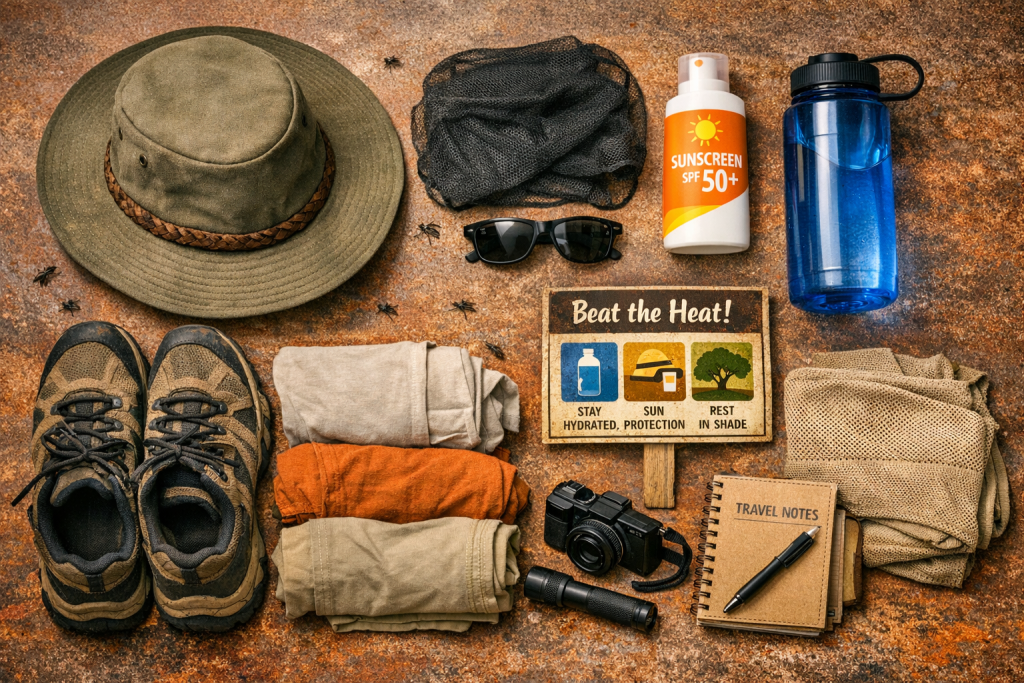
What to Pack Checklist
- Layers: Even in summer, desert nights can be cool. In winter, a heavy jacket is a must for sunrise.
- Footwear: Sturdy trainers or hiking boots (the terrain is rocky).
- Sun Protection: SPF 50+, a broad-brimmed hat, and high-quality sunglasses.
- Fly Net: Essential for the warmer months.