
Written in the Sand: The History of Uluṟu
The story of the Red Centre is not a collection of dusty dates, but a living, breathing narrative that stretches back into deep time. While modern maps record the arrival of explorers just 150 years ago, the Aṉangu have held an unbroken connection to this ground for over thirty millennia. To understand Uluṟu is to look past the colonial ‘discovery’ and witness a journey of resilience—from the first ancestral footsteps of the Mala people to the historic Handback of 1985. This is a history written in stone, song, and spirit, where every ridge and waterhole tells the story of a land that has been cared for since the beginning of time.
the beginning of time
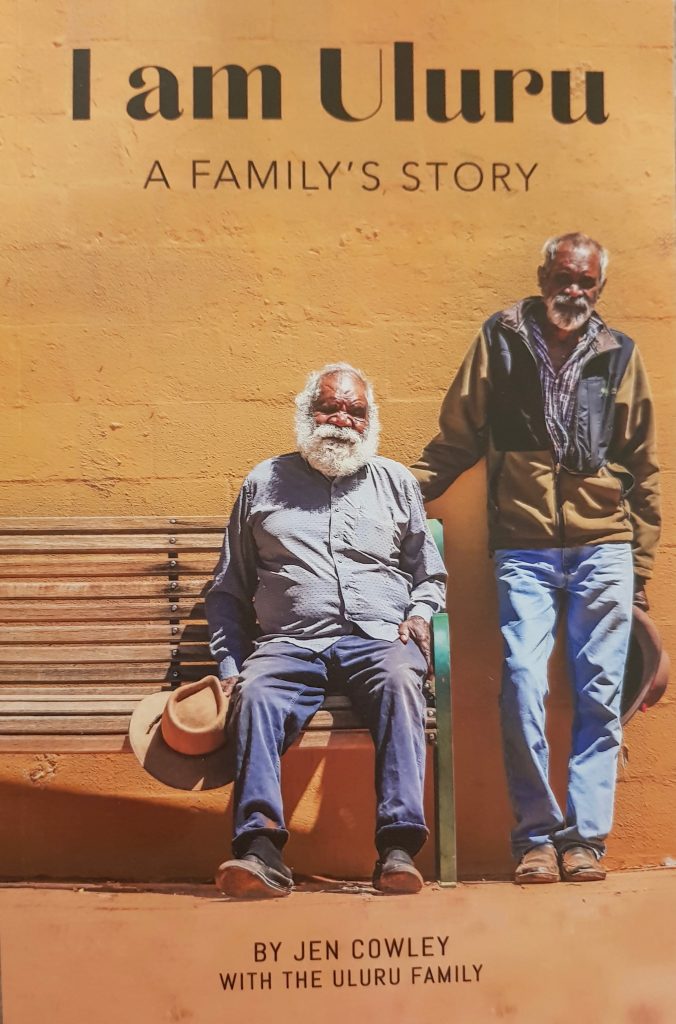
I am Uluru: A Family’s Story
To truly understand the history of this landscape, you must hear it from those whose DNA is woven into the sand. We highly recommend reading ‘I am Uluru’ by Jen Cowley and the Uluru Family.
A proud Aṉangu man and a senior custodian of Uluṟu, Sammy is the eldest grandson of the notable Elder and human rights activist Paddy Uluṟu—a man who dedicated his life to the fight for Aṉangu land rights. Sammy continues this vital legacy, telling the story of this country alongside other generations of the Uluṟu family, including Cassidy and Reggie Uluṟu.
This book is more than a memoir; it is a profound invitation to witness the journey from the 1985 Handback to the 2019 closing of the climb. It is told with the warmth, authority, and intergenerational wisdom that only the true traditional owners can provide.
A Search for Truth in the Red Centre
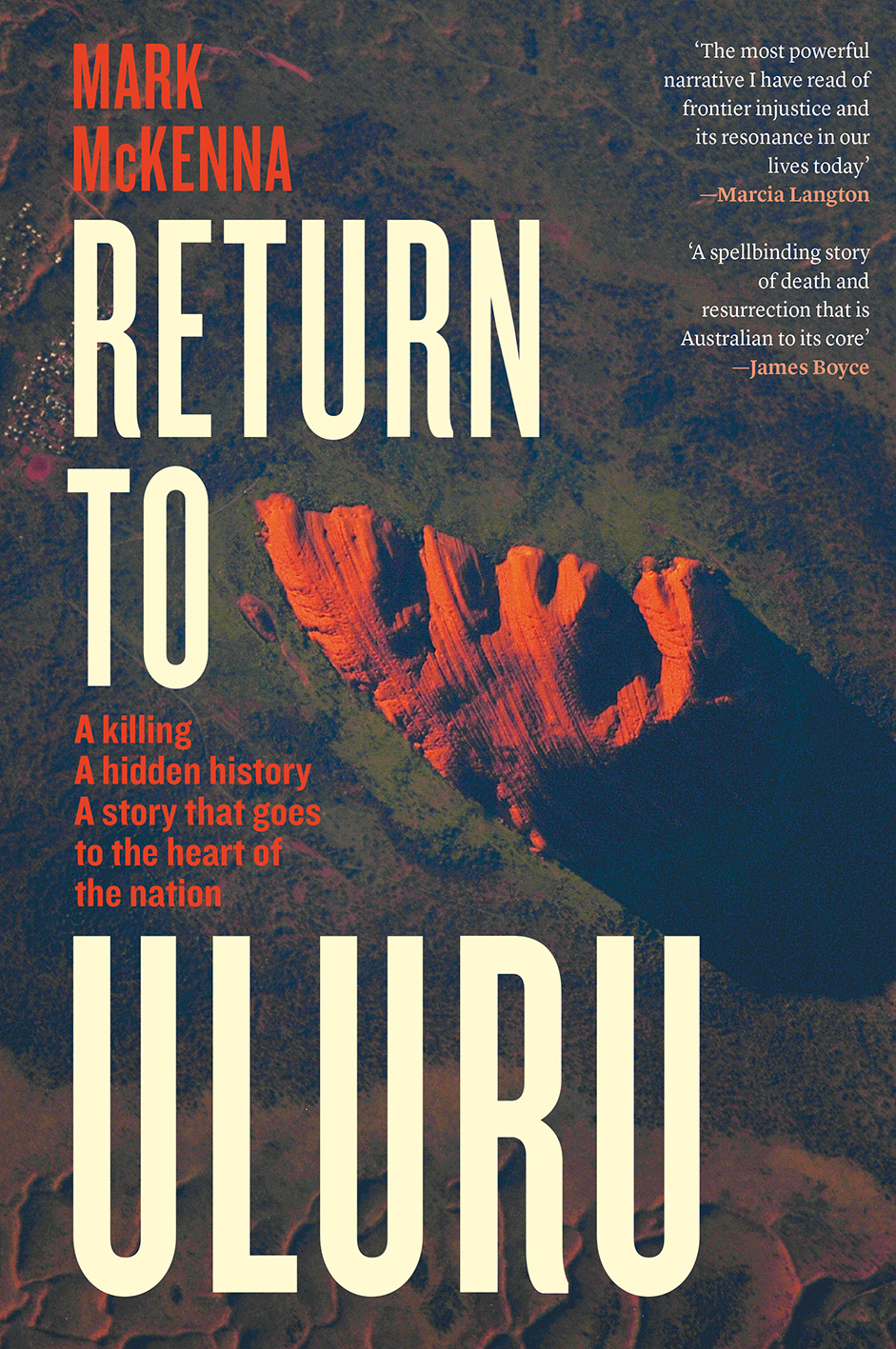
To understand the complex relationship between the Australian legal system and Aṉangu history, we highly recommend ‘Return to Uluru’.
This isn’t a typical travel book; it is a masterfully researched investigation into a cold case from 1934. Historian Mark McKenna uncovers the story of a fatal encounter between a white policeman and an Aṉangu man at the base of the rock—an event that was largely erased from the official tourist narrative for decades.
By revisiting this history, McKenna provides the essential ‘missing pieces’ of the 20th-century outback. It is a powerful, often sobering look at the justice system, the resilience of truth, and the path toward reconciliation in the heart of Australia.
Uluru-Kata Tjuta National Park
Next stop: Continue your learning journey at the Cultural Centre
If you are ready to hear these stories from the people who hold them, your next stop must be the Cultural Centre.
Pro Tip: Don’t just rush through. Give yourself at least two hours. Watch the films, look at the displays created by the families who live here, and if you’re lucky enough to see a ‘Punu’ (woodcarving) demonstration at Maruku Arts or dot painting at Walkatjara Gallery, stay and learn. That is where the true ‘Uluru Guide’ begins.