
Beyond the Monolith: How to Truly Support the Aṉangu Community During Your Visit
Knowing how to support Anangu community Uluru is the most important part of planning an ethical trip to the Red Centre. After twenty years of living and working in the Red Centre, the question I’m asked most often isn’t “When is the best sunset?” but rather, “How can I ensure my visit actually benefits the local Aṉangu people?” Travellers today are more conscious than ever; they want their journey to have a positive impact on the world’s oldest living culture. Supporting the community isn’t just about where you spend your money—it’s about the choices you make before you even arrive at the Uluṟu-Kata Tjuṯa National Park gates.
1. Prioritize Aṉangu-Owned and Partnered Experiences
The most direct way to support the local economy is to choose tours and businesses that provide employment and royalties directly to the traditional owners. When you book an Aboriginal Homelands Experience, you aren’t just a tourist; you are a guest on private land, learning from Aṉangu guides who share their Tjukurpa (Creation stories) with permission.
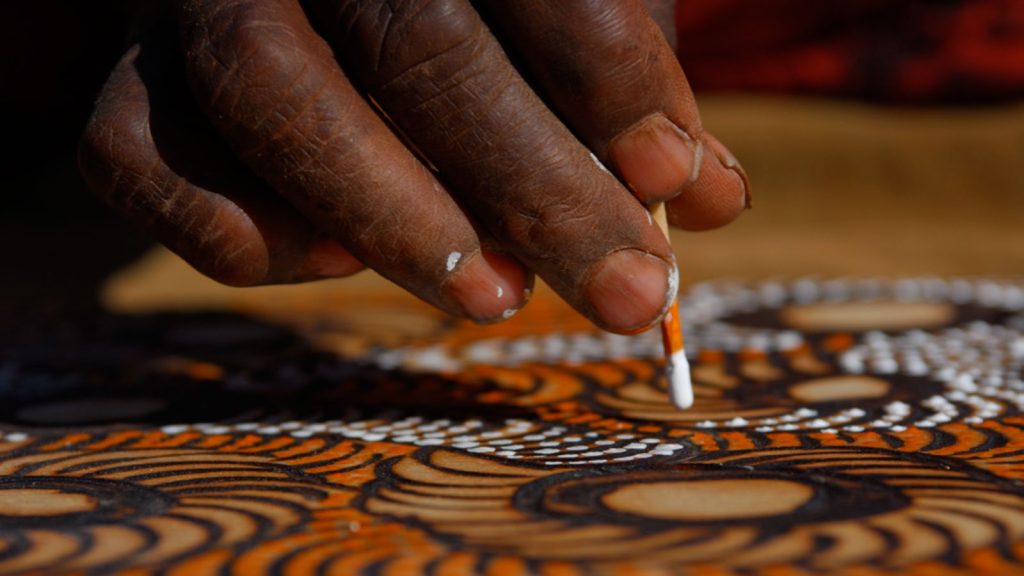
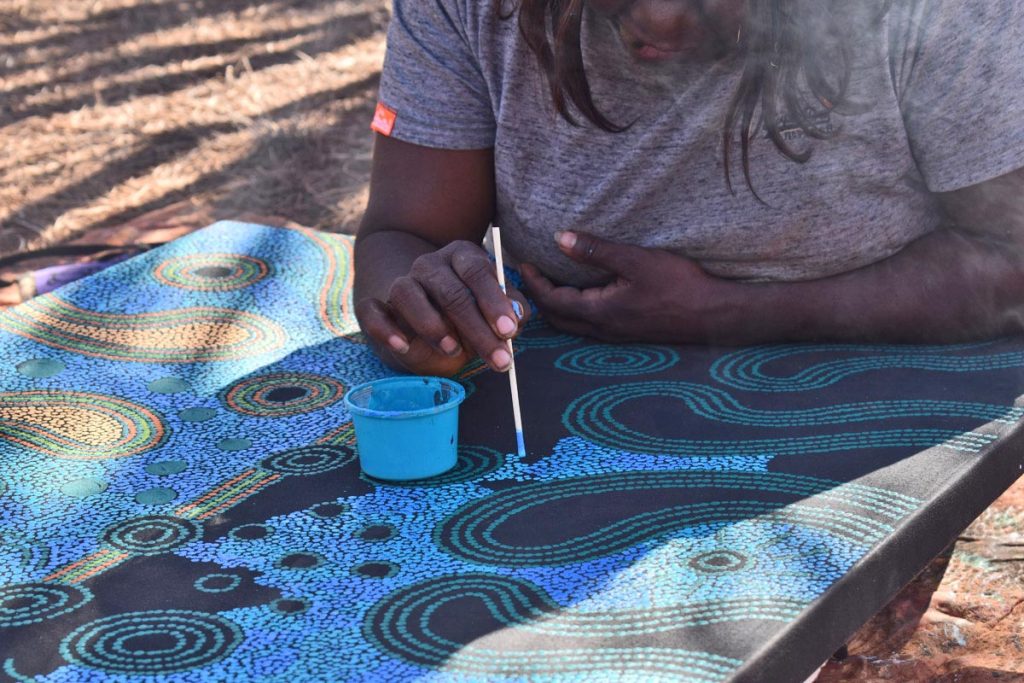
Beyond the tours, you can make your dollars count by supporting Aṉangu-owned galleries like Walkatjara Art and Maruku Arts. For authentic souvenirs and locally designed apparel, head to the community-owned Ininti Café at the Cultural Centre—incidentally, they also serve the best food and coffee in all of Central Australia! For a truly hands-on connection, I highly recommend joining a private dot painting workshop at the Cultural Centre with Walkatjara artists; it is a profound way to engage with the storytelling traditions of the Red Centre while ensuring the artists are fairly compensated for their knowledge.
2. Buy Authentic: Supporting the Local Art Economy
Walking through the resort, you’ll see plenty of “Aboriginal-style” souvenirs, but true support means ensuring your purchase is ethically sourced and artist-owned. My advice? Head straight to the Uluṟu-Kata Tjuṯa Cultural Centre. This is the heart of the local art scene, where you can meet Aṉangu artists like Valerie Brumby at Walkatjara Art and witness the incredible detail of local dot painting firsthand. By purchasing a canvas or a hand-carved punu (woodwork) from an ethical outlet like Maruku Arts, you are ensuring that the proceeds go directly back to the artist and their family, preserving a legacy of storytelling that spans millennia.
Beyond the Cultural Centre: Where to Find Ethical Art
If you can’t make it out to the Cultural Centre, you can still find authentic pieces within the Ayers Rock Resort. The Lawn Gallery (located near the Town Square) is a fantastic spot to see local artists at work in a relaxed setting. It’s a great place to ask questions and learn about the symbols used in the paintings before you buy.
For a truly grassroots experience, keep an eye out for the informal art sellers at the Bus Sunset viewing area (and occasionally at the Car Sunset area). These are often local families selling their work directly from the back of a 4WD. Buying here is as direct as it gets—you are shaking the hand of the person who created the work. While it’s a more “rugged” shopping experience than a polished gallery, it is a vital part of the local economy and offers a unique, personal connection to your Red Centre journey.
3. Respecting the Silence: Why What You Don’t Do Matters
Sometimes, the most profound way to support the Aṉangu community isn’t about what you do, but what you don’t do. Cultural support often comes in the form of restraint and presence—choosing to experience a place with your eyes and heart rather than through a camera lens.
Presence at Mutitjulu Waterhole
While there are no formal “No Photography” signs at the Mutitjulu Waterhole, I always encourage travelers to take a moment to put their cameras down. Sit in the quiet stillness of the rock walls and listen to the water. In my twenty years here, I’ve found that those who stop trying to “frame” the shot are the ones who actually feel the ancient energy of the site. True connection comes from listening to the desert, not just capturing it.
Honouring Sacred Sites on the Mala Walk
As you explore further, particularly on the Mala Walk, you will encounter several strictly designated “No Photography” areas. You will walk right past a women’s sacred site where the Aṉangu ask that no images be taken. Similarly, there are sacred men’s areas beyond the Mala Walk where photography is prohibited to protect the spiritual integrity of the stories held there.
You are most welcome to look with your eyes and soak in the power of these locations, but please keep your cameras and phones off. By honouring these boundaries, you are participating in a profound act of cultural support—ensuring that these ancient traditions and sensitive sites remain protected for the Aṉangu people for generations to come.
For more planning tips, check out our best time to visit Uluru local guide.